

What is a flint block?
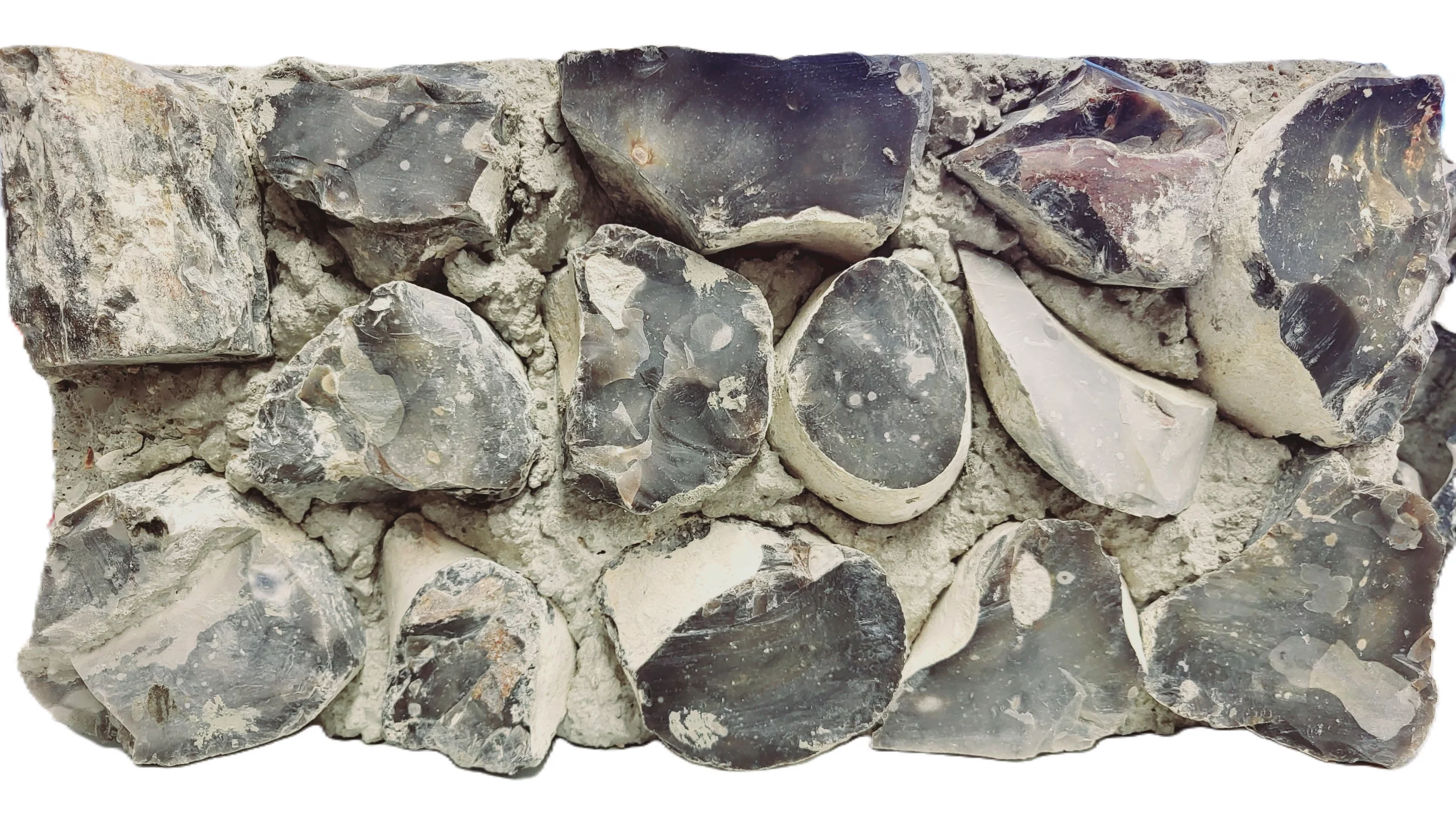
A flint block is a pre-fabricated concrete block which incorporates natural flint facings into the block. Flint – whether it is knapped, unknapped or a combination of both, is hand pressed into each block providing a unique and traditional effect designed to mimic natural hand-laid loose flint. Each block is produced with a completely unique look and unpointed. They can be laid in a conventional way reducing the requirement for a specialist flint layer, reducing material waste and are quick to lay.
Appearance: Flint blocks provide a rustic, authentic and decorative facade for both traditional and modern architectural renovations.
Installation: They are laid the same as concrete blocks, typically in a stretcher bond pattern making installation straightforward for builders.
Cost Effective: Flint blocks can be installed faster than traditional loose flint which therefore, do not require a skilled craftsman and can be a cost saving.
Flint Types: Our flint blocks are made to order and can be produced in various finishes including knapped, unknapped or a mixture of types.
Knapped or Unknapped – What is the difference?
Knapped flint is quarried flint from chalk beds, they are then skillfully shaped into flint pieces by striking ‘known as knapping’ each stone with specialist tools to reveal the flint face. Knappers split the raw chalky flint stone and chip away at them which then exposes their dark, glossy inner core. These are the types of flint traditionally seen on historic buildings and reveal a distinct decorative pattern.
Unknapped flint is also quarried from chalk beds, they are pieces of raw flint that are dug up and expose their natural rustic chalky exterior. The nodules are irregular in shape and size unlike knapped flint, where they have been shaped. This type of flint has an earthy texture and does not expose the flint face. Equally, unknapped flint is a traditional material seen on historic buildings across the country.
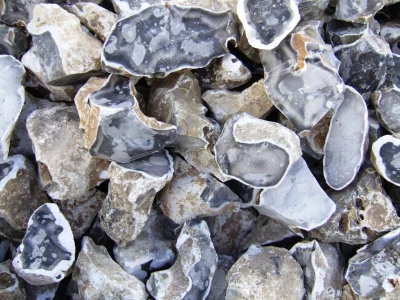
Knapped Flint
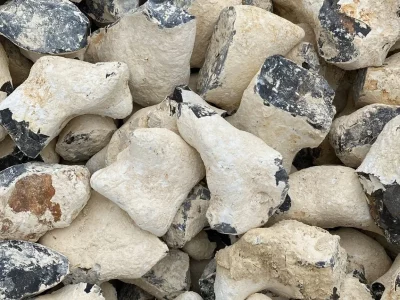
Unknapped Flint
Benefits of a flint block
- Actual block size: 445 x 220 x 100 mm – designed for use with 5 mm mortar beds to reduce visibility of joints
- Any natural random laid flint can be supplied in flint block form
- Easy to install. No specialist skills or tradesmen required
- Blocks can be manufactured to match any existing random stone structure, subject to availability of the matching material
- Flint blocks are handcrafted and no two blocks are identical
- Flint blocks are naturally strong and are weather resistant
What finishes are available for a flint block?
Our flint blocks can be made to order from the choice of finishes; knapped flint, unknapped flint or a bespoke mix of flint. As well as the finish, a choice of flint types can be made from either chalk flint, field flint or cobbles. For example, take a look at our blocks below:
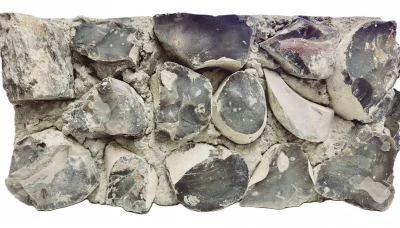
Knapped Chalk Flint Block
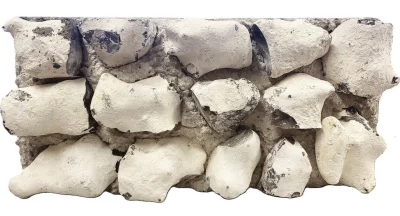
Unknapped Chalk Flint Block
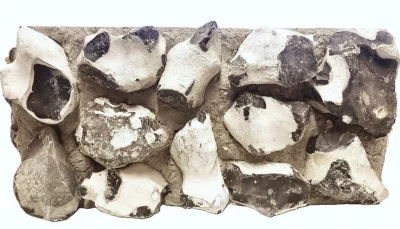
50/50 Chalk Flint Block
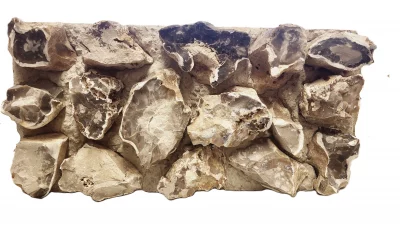
Knapped Field Flint Block
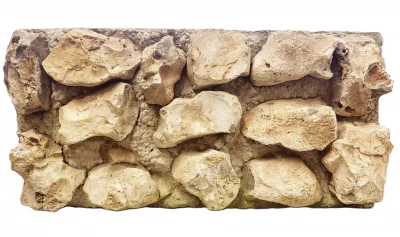
Unknapped Filed Flint Block
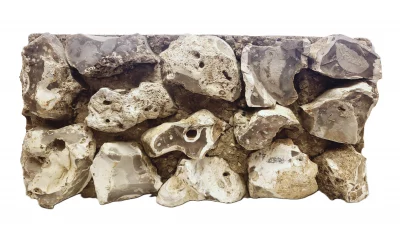
50/50 Field Flint Block
What dimensions are your flint blocks?

What do the flint blocks look like when they are pointed?
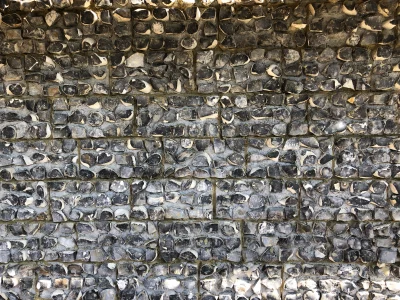
Unpointed flint blocks
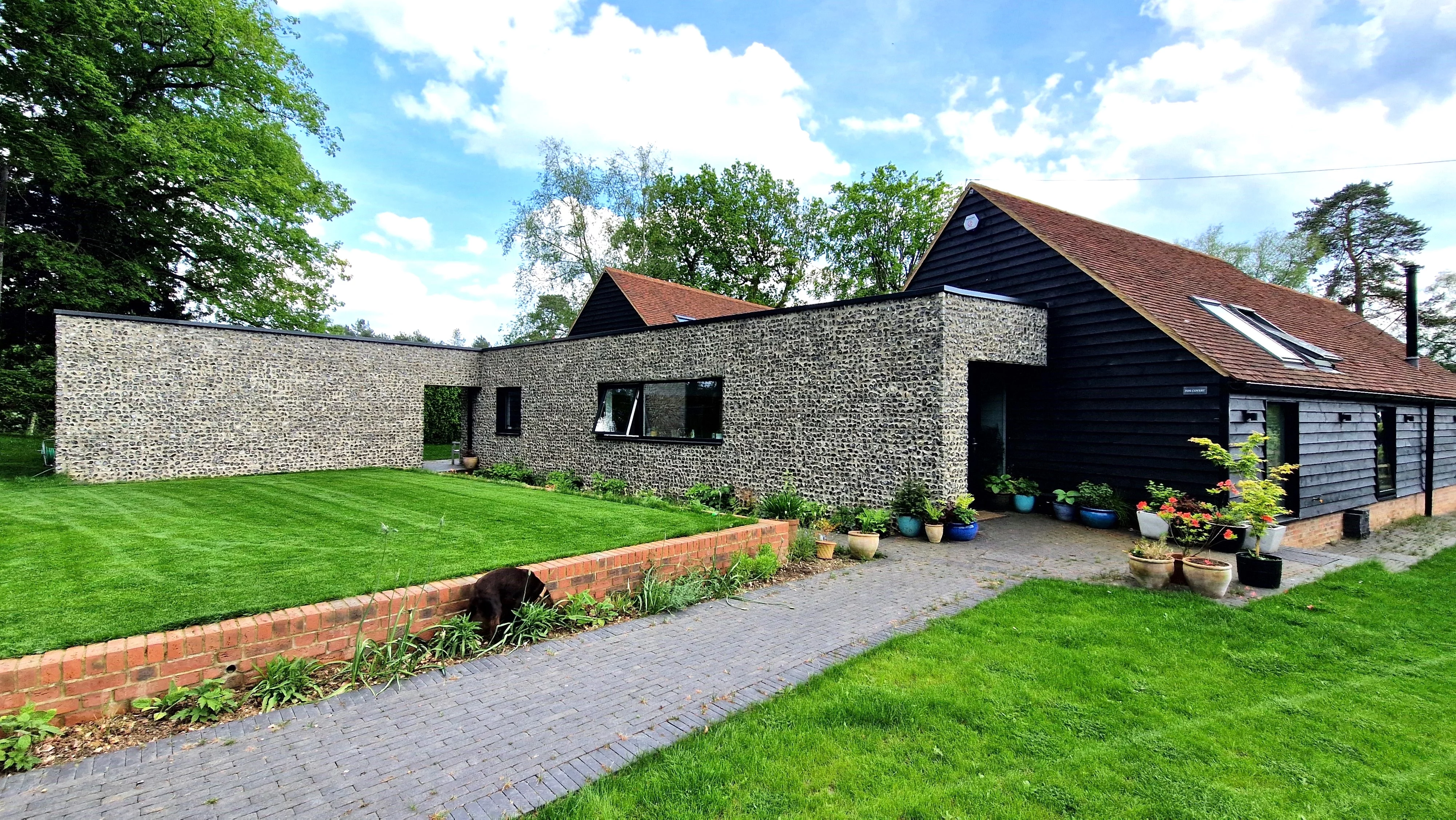
Pointed flint blocks
In conclusion, our patented flint blocks are a very versatile product and our team of experts are here to guide you through your requirements. For more information and project examples of flint work, click here https://www.allbrickandstone.com/productrange/flint/